Compensation and time
Time cannot be replaced by prestige, hubris, and advertising

Introduction
The Offsc℞ipt Pharmacist (Maria Gutschi) has written a very accessible general summary of our hypothesis “Lipid nanoparticles as active biointerfaces: From membrane interaction to systemic dysregulation”.1,2 Furthermore, in her most recent article, Maria discusses from a pharmacological perspective the key findings we observed in the omics data, which support our hypothesis or render it plausible.3
In this article, the perspective is adopted that mammalian cells follow evolutionarily conserved principles and exhibit an increasingly complex organization as the level of the organism's organization increases.4,5,6,7 Rather than replacing existing regulatory mechanisms, evolutionary innovation is considered to arise predominantly through the integration, modification, and coordination of conserved signalling modules across higher levels of organization. This perspective provides the conceptual basis for interpreting cellular and inter-cellular8 responses as properties of dynamic regulatory systems instead of isolated molecular events.
The aim of this article is to expand Marias pharmacological thoughts to a systems-biological perspective and to serve as a reminder of something that, unfortunately, has not yet become as self-evident or universally accepted knowledge. This article expands the keypoints of our paper summarized by Maria as well as her pharmacological classification of the omics data and places them into the broader context of biological robustness. At the center are three principles that, in our view (with permission of The Offsc℞ipt Pharmacist and Stephanie Seneff), are indispensable for the interpretation of complex biological systems: compensation, intercellular communication, and time. Only when these dimensions are considered together can systemic responses to perturbations be adequately understood. In this article, the discussion will focus on the aspects of compensation and multidimensional intracellular time-axis.
1. Compensation
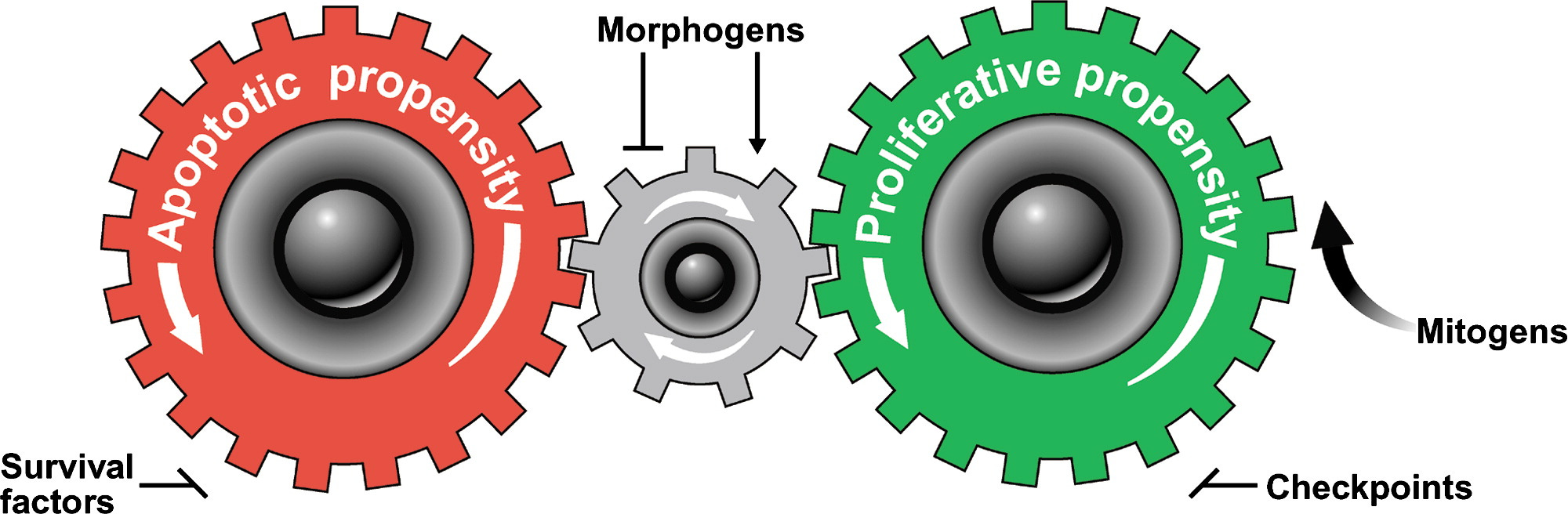
***9
Recently, a notable study was published which we deliberately did not consider within the framework of our LNP membrane hypothesis, as we focused primarily on the mechanistic framework for LNPs in terms of systems-biological consequences.
Ni et al.10 demonstrate that cells do not merely react to the loss of a mechanical function with its failure, but achieve functional compensation through the recruitment of chemical signaling networks. Signaling axes such as PI3K/Akt assume tasks that go beyond their classical role in cell growth and metabolism in order to maintain the homeostasis of the overall system. The work thus provides a clear example that cellular responses must be understood as dynamic network reactions rather than linear cause-and-effect chains.
Applied to LNP biology, the same systems-level principle suggests that subclinical variation in mitochondrial function11, lysosomal processing, membrane repair, or vesicular trafficking may remain completely silent under normal physiological conditions because parallel pathways compensate for the deficit. Exposure to lipid nanoparticles, however, simultaneously engages many of these interconnected systems. In individuals whose compensatory reserve is already reduced by genetics, age, environmental exposures, or prior cellular stress, the additional burden imposed by LNP processing could push the network beyond its buffering capacity, resulting in a disproportionate biological response. Furthermore, LNP biodistribution and cellular uptake are fundamentally probabilistic rather than deterministic processes. The concentration of nanoparticles reaching individual tissues, as well as the fraction of cells that ultimately internalize them, is expected to vary considerably. Consequently, the effective cellular dose experienced by a given tissue may differ substantially between individuals, and it remains largely unknown what proportion of cells within most organs actually take up and process LNPs in vivo. Conversely, compensatory mechanisms may initially preserve normal cellular function despite persistent stress, delaying the appearance of clinically relevant consequences for years or even decades until aging, repeated insults, or declining physiological reserve eventually overwhelm these adaptive networks. This nonlinear threshold model provides a plausible framework for understanding both the marked interindividual variability in acute responses and the possibility that clinically meaningful outcomes may emerge only after prolonged periods of apparently normal health.12,13,14,15
2. Time is more than a one way perspective!

***16
While this article deliberately centers on the temporal axis as a critical driver, biological systems are inherently multidimensional. Factors such as context, competition, and signal strength play equally vital roles in shaping systemic behavior and the pathway to breakdown.
Timing–the importance of when a biological event occurs
Biological responses are not solely determined by the presence or absence of a molecular event, but also by the precise temporal point at which this event occurs. Ham et al. demonstrated that the timing of cellular transitions can emerge from stochastic regulatory processes and that the temporal order of molecular events represents biologically relevant information. Thus, cellular states cannot be understood as static conditions, but rather as dynamic trajectories in which the moment of transition influences subsequent system behaviour.17
Duration–the importance of how long a signal persists
Beyond the initiation of a signalling event, its duration represents a critical determinant of cellular outcome. Zemek et al. highlighted that transient and sustained signalling activities can induce fundamentally different biological responses, particularly in the context of immune regulation and therapeutic intervention. Consequently, the persistence of a stimulus or signalling state constitutes an additional layer of biological information, determining whether cellular responses remain adaptive, become amplified, or contribute to dysregulation.18
Frequency–the importance of how often a signal is repeated
Biological systems also encode information through the frequency and recurrence of signalling events. Furthermore, Szischik et al. demonstrated that cellular signalling networks can distinguish between different temporal input frequencies, resulting in distinct downstream responses despite comparable signal amplitudes. This illustrates that repeated exposure or pulsatile stimulation is not merely a quantitative increase of a stimulus, but can represent a qualitatively different biological signal that shapes cellular adaptation and network behaviour.19
Rate–the importance of how fast a biological change occurs
Biological systems do not only respond to the timing, duration, and frequency of signals, but also to the rate at which environmental or intracellular changes occur. Thiemicke and Neuert discussed how signalling pathways can exhibit rate-dependent thresholds, emphasizing that identical endpoint states may result in distinct cellular outcomes depending on the velocity of preceding changes. Thus, the kinetics of a perturbation itself represents biological information: gradual adaptation and rapid disturbance may engage different regulatory responses despite ultimately reaching comparable molecular states. This introduces an additional temporal dimension in which cells interpret not only the state of a system, but also the trajectory by which this state is reached.20
In conclusion, temporal compensation suggests that exposure to approximately 1013–1015 LNPs per dose represents a four-dimensional temporal perturbation at the organismal level, encompassing variation in timing, duration, frequency, and rate. Although the approximate number of administered LNPs can be estimated from the dose, the exact number of LNPs reaching, interacting with, and persisting within biological systems remains unknown, as directly measured values are currently unavailable. These dynamics are expected to depend on LNP formulation-specific properties and stochastic distribution processes. When combined with the highly individual pre-existing conditions defined by the composition of the protein corona, extensive temporal variability is not unexpected but rather represents a plausible consequence of biological system complexity.
Furthermore, the potential for recirculation through exosome-like vesicles represents an additional mechanism that may extend and reshape the temporal dynamics of LNP-associated signals.21 Interestingly, this possibility appears to depend on the interplay between the biological properties of the payload and the metastable assembly state of the LNP formulation, suggesting that extracellular vesicle-mediated propagation is not solely determined by the carrier system and cellular interactions, but emerges from the dynamic interaction between payload and the LNP biointerface.22
3. The Issue of Numbers – Detection and Exclusion Depend on the Temporal Scale Considered (Zoom Matters)
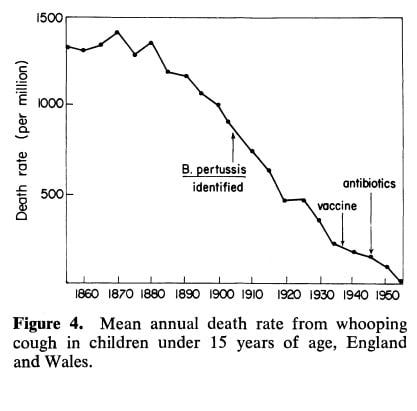
As discussed in the article “Nonlinear Distribution and Uptake,”23 nonlinearity constitutes a fundamental challenge for epidemiological interpretation. This challenge is not restricted to spatial distribution patterns or dose–response relationships but also extends to the temporal dimension of biological systems. In complex platforms such as lipid-based nanoparticles (LNPs), the potential for delayed biological events, cumulative regulatory adaptations, and indirect downstream effects may pose significant challenges for epidemiological detection, attribution, and causal inference.
Edward H. Kass emphasized that epidemiological observations must be interpreted as emergent outcomes of complex biological systems rather than as direct readouts of single causal events. The historical analysis of infectious diseases demonstrated that population-level trajectories frequently precede, overlap with, or occur independently of defined medical interventions. Accordingly, the temporal association between an exposure and a subsequent health outcome does not necessarily reflect a simple causal relationship, but may represent the integrated consequence of host adaptation, pathogen-like interactions, environmental influences, and delayed compensatory processes.24
The historical observations of Ignaz Semmelweis further illustrate the limitations of epidemiological interpretation when biological processes unfold over extended and nonlinear time scales. The excess mortality from puerperal fever observed in obstetric clinics was not the consequence of a single instantaneous event but emerged from a chain of interacting factors involving clinical practices, microbial transmission dynamics, host vulnerability, and institutional conditions. Although Semmelweis identified a reproducible population-level pattern, the mechanisms responsible for this pattern were initially incompletely understood. This historical example demonstrates that epidemiological signals may represent the cumulative output of complex processes whose effects become visible only after temporal propagation through biological and social systems.25
From the perspective of nonlinear biological systems, the Semmelweis case also highlights a fundamental limitation of long-term epidemiological inference. The relationship between an initiating exposure, intermediate biological changes, and eventual population-level outcomes may not remain proportional across time. Small perturbations may remain undetected during an initial phase, while delayed amplification, feedback mechanisms, or accumulated changes may later produce measurable effects. Conversely, the absence of an immediate epidemiological signal cannot be interpreted as evidence of the absence of biological impact. As demonstrated historically, meaningful causal relationships may only become apparent when observations are considered within a broader temporal framework that accounts for latency, system adaptation, and nonlinear interactions across multiple levels of biological organization.
Applied to LNP-based interventions, this principle highlights a general challenge in epidemiological interpretation when biological processes evolve across extended temporal and organizational scales. For emerging technologies such as LNP-based interventions, where long-term biological trajectories remain incompletely characterized, this consideration becomes particularly relevant. If LNP exposure induces transient biological perturbations, immune activation, altered intercellular communication, or delayed compensatory responses, the resulting organism-level phenotype may emerge only after complex temporal propagation and interaction with individual biological predispositions.Similar to classical epidemiological observations, the observed phenotype represents the integrated outcome of multiple overlapping processes occurring across different temporal and organizational scales. Therefore, the absence of an immediately attributable signal does not exclude delayed or distributed system-level consequences, while observed temporal associations require interpretation within the framework of dynamic biological regulation.
The temporal dimensions described above also highlight a fundamental limitation of epidemiological interpretation: biological systems do not necessarily translate exposure into measurable outcomes through immediate or proportional relationships. Historical examples demonstrate that population-level patterns may emerge only after prolonged interaction between initiating factors, biological adaptation, and environmental context.
Conclusion – Beyond the Carrier–Payload Dichotomy: Reconsidering LNPs as Biological Interfaces
The rapid development framework established during Operation Warp Speed was built upon a highly focused technological paradigm: lipid nanoparticles were primarily considered delivery vehicles designed to transport and protect a defined molecular payload, while the biological effects of the carrier system itself were largely interpreted as secondary characteristics, such as transient inflammatory responses associated with innate immune activation.
This conceptual separation between carrier and payload represents a useful engineering simplification, but it can not fully reflect the behavior of LNPs within complex biological systems. Lipid nanoparticles do not function as passive containers; they constitute dynamic biointerfaces that interact with proteins, membranes, immune recognition pathways, intracellular trafficking networks, and intercellular communication systems. Consequently, the biological outcome of an LNP-based intervention emerges not solely from the encoded information of the payload, but from the integrated interaction between formulation properties, biodistribution, cellular processing, and host-specific regulatory capacity.
From a systems-biology perspective, the central question is therefore not only whether the payload performs its intended molecular function, but how the complete biological interface behaves over time. Early assessments focusing primarily on antigen expression, immune activation markers, and short-term safety signals may capture only a limited temporal and organizational window of a much larger adaptive response.
The challenge is not that conventional approaches are incapable of detecting biological effects, but that complex adaptive systems may generate outcomes that are distributed across multiple scales, delayed in time, or buffered by compensatory mechanisms. A framework that predominantly evaluates the information-bearing component while treating the delivery platform as biologically secondary risks overlooking emergent properties arising from the interaction between the carrier and the organism.
Therefore, the considerations discussed here reinforce our central concept of LNPs as active biointerfaces rather than passive delivery vehicles. The biological outcome of LNP exposure cannot be understood exclusively through the properties of the payload, but emerges from the interaction between formulation-dependent interface characteristics, cellular engagement, systemic distribution, and the adaptive capacity of the host over time.
Seger, F., Gutschi, L.M., Seneff, S., 2026. Lipid nanoparticles as active biointerfaces: From membrane interaction to systemic dysregulation. Acta Pharmaceutica Sinica B S2211383526004235. https://doi.org/10.1016/j.apsb.2026.07.001
De Mendoza, A., Sebé-Pedrós, A., Ruiz-Trillo, I., 2014. The Evolution of the GPCR Signaling System in Eukaryotes: Modularity, Conservation, and the Transition to Metazoan Multicellularity. Genome Biology and Evolution 6, 606–619. https://doi.org/10.1093/gbe/evu038
Plattner, H., Verkhratsky, A., 2018. The remembrance of the things past: Conserved signalling pathways link protozoa to mammalian nervous system. Cell Calcium 73, 25–39. https://doi.org/10.1016/j.ceca.2018.04.001
Nair, A., Chauhan, P., Saha, B., Kubatzky, K.F., 2019. Conceptual Evolution of Cell Signaling. IJMS 20, 3292. https://doi.org/10.3390/ijms20133292
Uebbing, S., Kocher, A.A., Baumgartner, M., Ji, Y., Bai, S., Xing, X., Nottoli, T., Noonan, J.P., 2024. Evolutionary Innovations in Conserved Regulatory Elements Associate With Developmental Genes in Mammals. Molecular Biology and Evolution 41, msae199. https://doi.org/10.1093/molbev/msae199
Su, J., Song, Y., Zhu, Z., Huang, X., Fan, J., Qiao, J., Mao, F., 2024. Cell–cell communication: new insights and clinical implications. Sig Transduct Target Ther 9, 196. https://doi.org/10.1038/s41392-024-01888-z
Abrams, J.M., 2002. Competition and Compensation. Cell 110, 403–406. https://doi.org/10.1016/S0092-8674(02)00904-2
Ni, Q., Ge, Z., Sen, A., Wu, Y., Fu, J., Amitrano, A., Srivastava, N., Konstantopoulos, K., Sun, S.X., 2025. Chemical compensation to mechanical loss in cell mechanosensation. Proc. Natl. Acad. Sci. U.S.A. 122, e2507935122. https://doi.org/10.1073/pnas.2507935122
Mori, G., Yamamoto, M., Ishikawa, K. et al. Mitochondrial vulnerability underlies myocarditis from COVID-19 mRNA vaccine. Nat Commun 17, 4716 (2026). https://doi.org/10.1038/s41467-026-71295-1
Haugh, J.M., 2012. Cell regulation: A time to signal, a time to respond (Comment on DOI 10.1002/bies.201100172). BioEssays 34, 528–529. https://doi.org/10.1002/bies.201200077
Mao, Y., Wickström, S.A., 2024. Mechanical state transitions in the regulation of tissue form and function. Nat Rev Mol Cell Biol 25, 654–670. https://doi.org/10.1038/s41580-024-00719-x
Zhang, H., Qian, Y., Zhang, Y., Zhou, X., Shen, S., Li, J., Sun, Z., Wang, W., 2024. Multi-omics analysis deciphers intercellular communication regulating oxidative stress to promote oral squamous cell carcinoma progression. npj Precis. Onc. 8, 272. https://doi.org/10.1038/s41698-024-00764-x
Grønlie, M.B., Fiskum, V., Sandvig, A., Sandvig, I., 2026. Structural and Synaptic Dysregulation Drives Network Vulnerability in APOE4 Human Neuronal Networks. https://doi.org/10.64898/2026.05.04.722197
https://stockcake.com/de/s/broken-clockwork
Ham, L., Coomer, M.A., Öcal, K., Grima, R., Stumpf, M.P.H., 2024. A stochastic vs deterministic perspective on the timing of cellular events. Nat Commun 15, 5286. https://doi.org/10.1038/s41467-024-49624-z
Zemek, R.M., Anagnostou, V., Pires Da Silva, I., Long, G.V., Lesterhuis, W.J., 2024. Exploiting temporal aspects of cancer immunotherapy. Nat Rev Cancer 24, 480–497. https://doi.org/10.1038/s41568-024-00699-2
Szischik, C.L., Reves Szemere, J., Balderrama, R., Sánchez De La Vega, C., Ventura, A.C., 2024. Transient frequency preference responses in cell signaling systems. npj Syst Biol Appl 10, 86. https://doi.org/10.1038/s41540-024-00413-w
Thiemicke, A., Neuert, G., 2023. Rate thresholds in cell signaling have functional and phenotypic consequences in non-linear time-dependent environments. Front. Cell Dev. Biol. 11, 1124874. https://doi.org/10.3389/fcell.2023.1124874
Maugeri, M., Nawaz, M., Papadimitriou, A., Angerfors, A., Camponeschi, A., Na, M., Hölttä, M., Skantze, P., Johansson, S., Sundqvist, M., Lindquist, J., Kjellman, T., Mårtensson, I.-L., Jin, T., Sunnerhagen, P., Östman, S., Lindfors, L., Valadi, H., 2019. Linkage between endosomal escape of LNP-mRNA and loading into EVs for transport to other cells. Nat Commun 10, 4333. https://doi.org/10.1038/s41467-019-12275-6
Federico, M., 2025. The Potential of Extracellular Vesicle-Mediated Spread of Self-Amplifying RNA and a Way to Mitigate It. IJMS 26, 5118. https://doi.org/10.3390/ijms26115118
Kass, E.H., 1971. Infectious Diseases and Social Change. Journal of Infectious Diseases 123, 110–114. https://doi.org/10.1093/infdis/123.1.110
Keske Ş. Ignaz Philip Semmelweis: The Tragic Pioneer of Hand Hygiene. Infect Dis Clin Microbiol. 2025 Jun 26;7(2):232-234. doi: 10.36519/idcm.2025.747. PMID: 40657018; PMCID: PMC12255899.